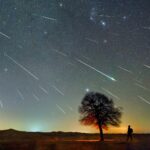
One of the most exciting meteor showers of the year, the Quadrantids, is set to light up the night sky this week. Though it lasts for a very short time, this shower is known for its intensity. At its strongest moment, it can produce up to 100–120 meteors per hour, making it one of the most powerful annual meteor showers. However, there’s a catch this year a bright full moon may reduce how many meteors are visible. Why the Quadrantids are so hard to catch The Quadrantids are famous for being spectacular but tricky to watch. Unlike the Perseids or Geminids, which stay active for longer periods, the Quadrantids peak for just about six hours. Miss that window, and you miss the show. This is why timing matters more than anything with this meteor shower. Read also: NASA lets you send your name to Moon for free When and where to watch in 2026 The Quadrantids appear every year between late December and mid-January. In 2026, the peak will happen overnight on January 3 and into the early hours of January 4. Under perfect dark skies, viewers might spot around 25 meteors per hour. But due to moonlight this year, the number could drop to around 10 meteors an hour. The shower is best seen from the Northern Hemisphere. Read also: Earth now has two moons until 2083, NASA confirms Best viewing tips The Quadrantids are named after Quadrans Muralis, a constellation that no longer officially exists. Today, NASA says the radiant point lies near Bootes, close to the handle of the Big Dipper. To improve your chances: This year, a clear sky matters more than finding a very dark location.
The post appeared first on .