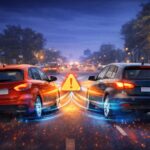
What if your car could warn you about danger even before you see it, like a speeding vehicle from behind, a truck parked on the road, or sudden braking ahead in thick fog? That’s exactly what the Indian government plans to do with its upcoming Vehicle-to-Vehicle (V2V) communication technology, which is expected to be rolled out by the end of 2026. Announced by Union Road Transport Minister
The idea is simple yet powerful: vehicles will be able to communicate directly with each other and share safety alerts in real-time, without relying on mobile networks or the internet.
Officials believe this can significantly reduce accidents, especially on highways and during poor visibility conditions. According to Union Road Transport Minister Nitin Gadkari: This technology will help prevent accidents, especially when vehicles are parked on roads and fast-moving vehicles crash into them from behind, and also during fog. Also read: What is Mirumi bot, viral soft toy stealing Labubu’s spotlight?
What exactly is V2V technology? Vehicle-to-Vehicle technology allows cars, buses, and trucks to exchange information such as speed, direction, and distance. So instead of relying only on what the driver can see, vehicles will also get digital warnings from nearby vehicles about possible danger. For example, if a car ahead suddenly brakes, nearby vehicles can instantly receive an alert. If a vehicle is standing still on the road, others approaching from behind can be warned. This can help drivers react faster and avoid crashes. How will it work inside vehicles? Each vehicle will be fitted with a small device, similar to a SIM card, that constantly sends and receives signals from other nearby vehicles. This device will not use mobile data or GPS networks, which means it can work even in remote areas where connectivity is poor. The system is designed to provide 360-degree communication, so alerts can come from the front, back, and sides of the vehicle. Drivers will be warned if another vehicle is too close, approaching fast, or standing still nearby. Also read: Adult tech company unveils humanoid sex doll that adapts personalities for roleplay scenarios
Will it work with ADAS in modern cars? Yes, the V2V system will work along with Advanced Driver Assistance Systems (ADAS) that are already available in some premium cars. While ADAS depends on cameras and sensors installed in the vehicle, V2V adds another layer of safety by allowing cars to talk to each other directly. Even if sensors fail to detect a vehicle due to fog or blind spots, V2V alerts can still warn the driver because the information is coming from other vehicles on the road, not just from the car’s own systems.
When will it be introduced, and who will get it first? The Ministry of Road Transport and Highways is working to officially notify the technology by the end of 2026. In the first phase, V2V devices will be installed only in new vehicles. After that, the system will be introduced gradually across other vehicle categories. The overall project is estimated to cost around ₹5,000 crore. Consumers will have to pay for the system, but the government has not yet announced how much it will add to vehicle prices.
Also read: OpenAI launches ‘ChatGPT Health,’ a new dedicated section within app
More safety steps Along with V2V, the government is also tightening safety rules for buses. Minister Gadkari has pointed out that poor bus design has led to several major accidents in the past, resulting in heavy loss of life. To improve safety, existing buses will be fitted with fire extinguishers, emergency hammers for passengers, and driver drowsiness detection systems. These measures aim to reduce deaths caused by fire, fatigue, and lack of emergency exits. Why this matters for Indian roads India sees a large number of road accidents every year, many of them caused by delayed reactions, poor visibility, and sudden traffic changes. V2V technology cannot replace careful driving, but it can give drivers those few extra seconds of warning that often make the difference between a close call and a serious crash. If implemented well, this could become one of the most important safety upgrades for Indian roads in the coming years, quietly working in the background, but saving lives when it matters most.
The post appeared first on .