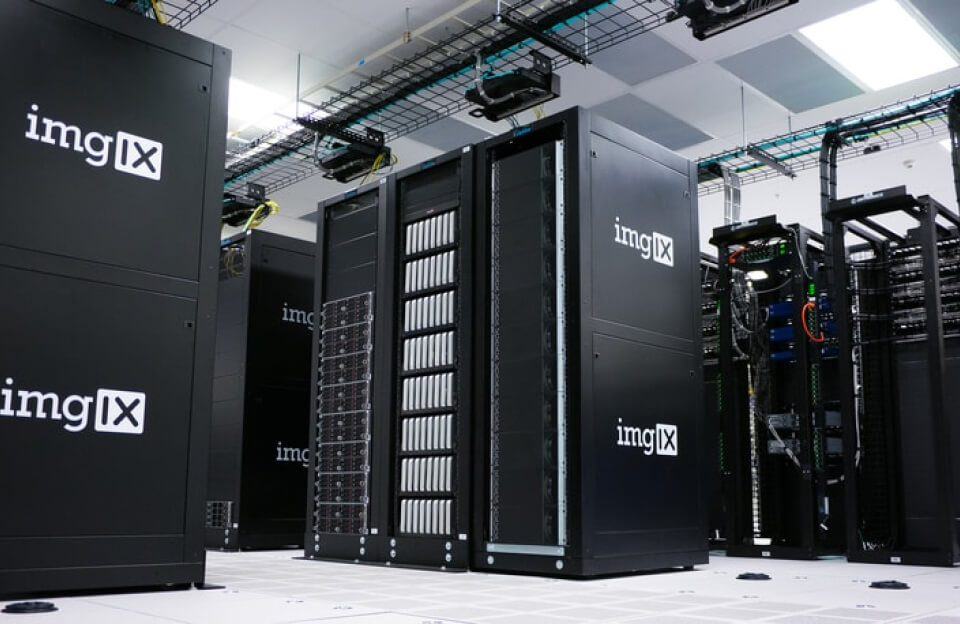
Elon Musk has never been known for small ideas, but his latest move might be one of his boldest yet. SpaceX has officially acquired Musk’s artificial intelligence company, xAI, in a deal that brings rockets, AI, satellites, and social media together, with one clear goal: moving the future of artificial intelligence beyond Earth. The announcement came through a memo published on SpaceX’s website, where Musk described the merger as the creation of a single “innovation engine”. According to him, putting AI, space technology, internet infrastructure, and media under one roof will help these businesses grow faster and work more closely together. How big is the deal? SpaceX did not disclose the financial terms of the acquisition. However, a source familiar with the matter said xAI has been valued at around $125 billion ≈ ₹11.25 lakh crore, while SpaceX is estimated to be worth nearly $1 trillion ≈ ₹90 lakh crore.. That valuation would make SpaceX the most valuable private company in the world. The scale of the deal underlines how central AI has become to Musk’s long-term plans, not just as software, but as core infrastructure. Why Musk thinks Earth can’t handle AI anymore At the heart of the merger is a problem that many AI companies are quietly grappling with: artificial intelligence consumes enormous amounts of energy. Running large models requires massive data centres, constant cooling, and reliable power, all of which put pressure on cities, power grids, and the environment. “In the long term, space-based AI is obviously the only way to scale,” Musk wrote. He argued that keeping AI infrastructure on Earth will eventually become unsustainable, both economically and environmentally. Also read: NASA hits by fuel leaks during Artemis II countdown practice
Space-based data centres powered by the Sun Musk believes the answer lies in orbit. According to him, space-based data centres could tap directly into solar energy, offering virtually unlimited power without harming communities on Earth. He wrote that AI will require “immense amounts of power and cooling” and that moving these systems into space avoids “imposing hardship on communities and the environment.” Musk even claimed that within the next two to three years, the cheapest way to generate AI computing power could be in space. From AI satellites to life beyond Earth The immediate plan, Musk said, is to begin launching AI-focused satellites from Earth. But the ambition doesn’t stop there. He believes that once space-based data centres become viable, they could help fund far bigger projects. Musk wrote: The capabilities we unlock by making space-based data centers a reality will fund and enable self-growing bases on the Moon, an entire civilization on Mars, and ultimately expansion to the Universe. Also read: First time in six decades, NASA juggles between two missions
Tesla’s role in Musk’s AI vision The SpaceX–xAI merger fits into Musk’s broader ecosystem of companies. Last month, Tesla announced a $2 trillion ≈ ₹180 lakh crore investment in xAI. At the time, Musk told Tesla investors that xAI could act like an “orchestra conductor” for Tesla’s factories, especially those using autonomous robots. He also revealed that Tesla would stop manufacturing two of its car models to shift focus toward robot production, one of the most significant pivots in the company’s history. Grok, scrutiny, and regulator pressure xAI’s main product, the Grok chatbot, has attracted attention and controversy. In recent weeks, regulators in the European Union and the UK launched investigations into X over concerns that Grok’s image-generation tools were being used to create sexualised images. In response, xAI said it introduced new restrictions in January that limit how users can edit images. Also read: What is the new bot with Reddit-like social network that everyone is talking about
A growing race to power AI from space Musk is not alone in looking to space as a solution to AI’s energy demands. Jeff Bezos’s Blue Origin and Google’s Project Suncatcher are also exploring solar-powered space infrastructure.
Still, Musk believes SpaceX has a unique advantage.
He said no launch system in history has been capable of carrying the massive payloads required for space-based data centres or permanent settlements on the Moon and Mars. The bigger picture With SpaceX absorbing xAI, Elon Musk is betting that the future of artificial intelligence will be shaped far beyond Earth’s atmosphere. By combining rockets, satellites, AI models, and energy infrastructure, Musk is trying to solve one of AI’s biggest challenges: how to power it at scale.
The post appeared first on .